


The Inner Layer (Next-to-Skin)
The inner layer in direct contact with your skin must be engineered from a material that completely refuses to retain moisture. It should sit flush to the body with a fitted but non-restrictive wrap.
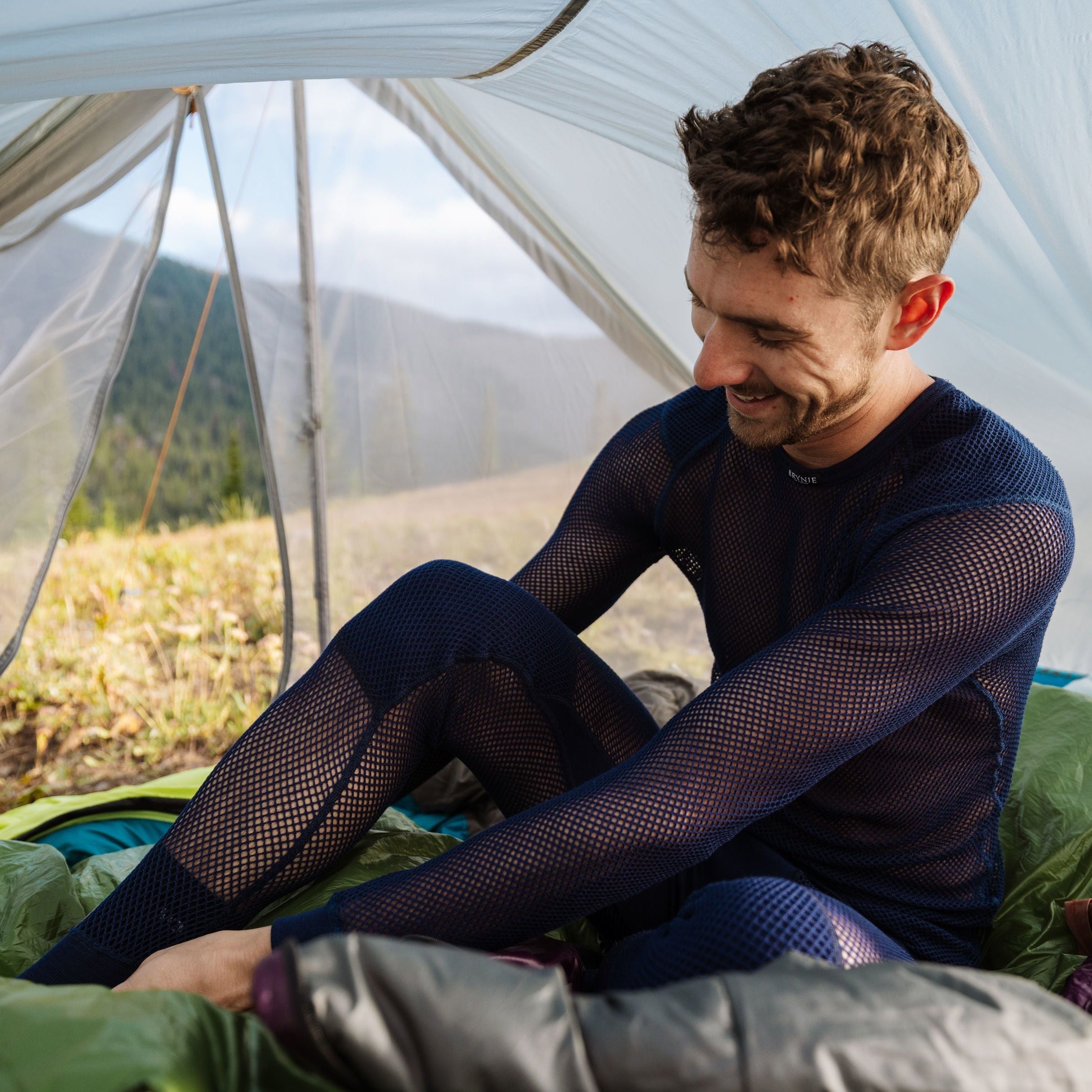
Wool mesh and polypropylene mesh are the undisputed gold standards for this micro-climate tier. Avoid cotton completely—cotton acts like a sponge, holding liquid moisture against the skin where it quickly dampens, rapidly making you wet and dangerously cold.
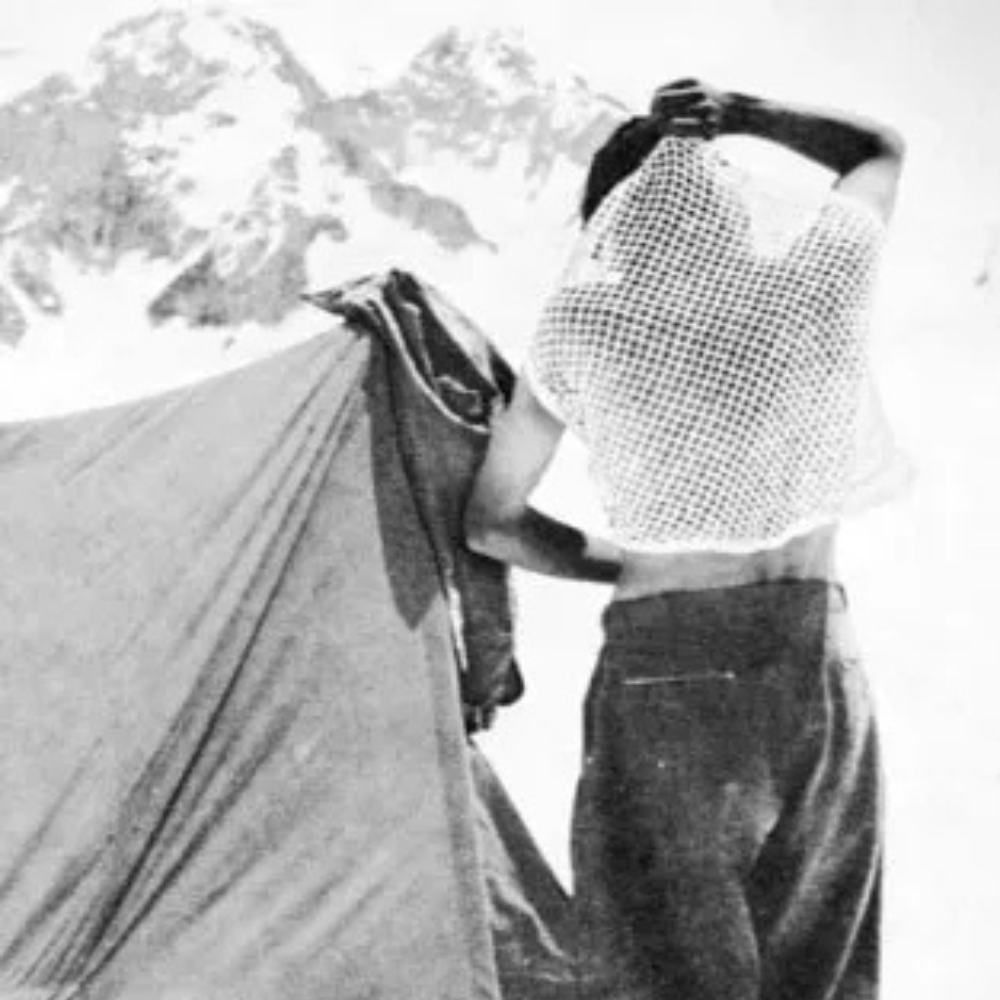
- The wide open, open-cell knit of our Wool Thermo (WT) and Super Thermo® (ST) collections accelerates vapor transport away from the body while trapping massive amounts of insulating dead air.
- Our smaller, tighter weave mesh collection—Wool Thermo Light (WTL) and Super Micro (SM)—is the perfect high-performance alternative for sustained, continuous physical output where maximum insulation isn’t needed, such as cross-country or Nordic skiing.

The First Middle Layer
This intermediate layer should feature a slightly looser fit than your next-to-skin base, yet it must maintain consistent contact with the mesh below to successfully trap air pockets.
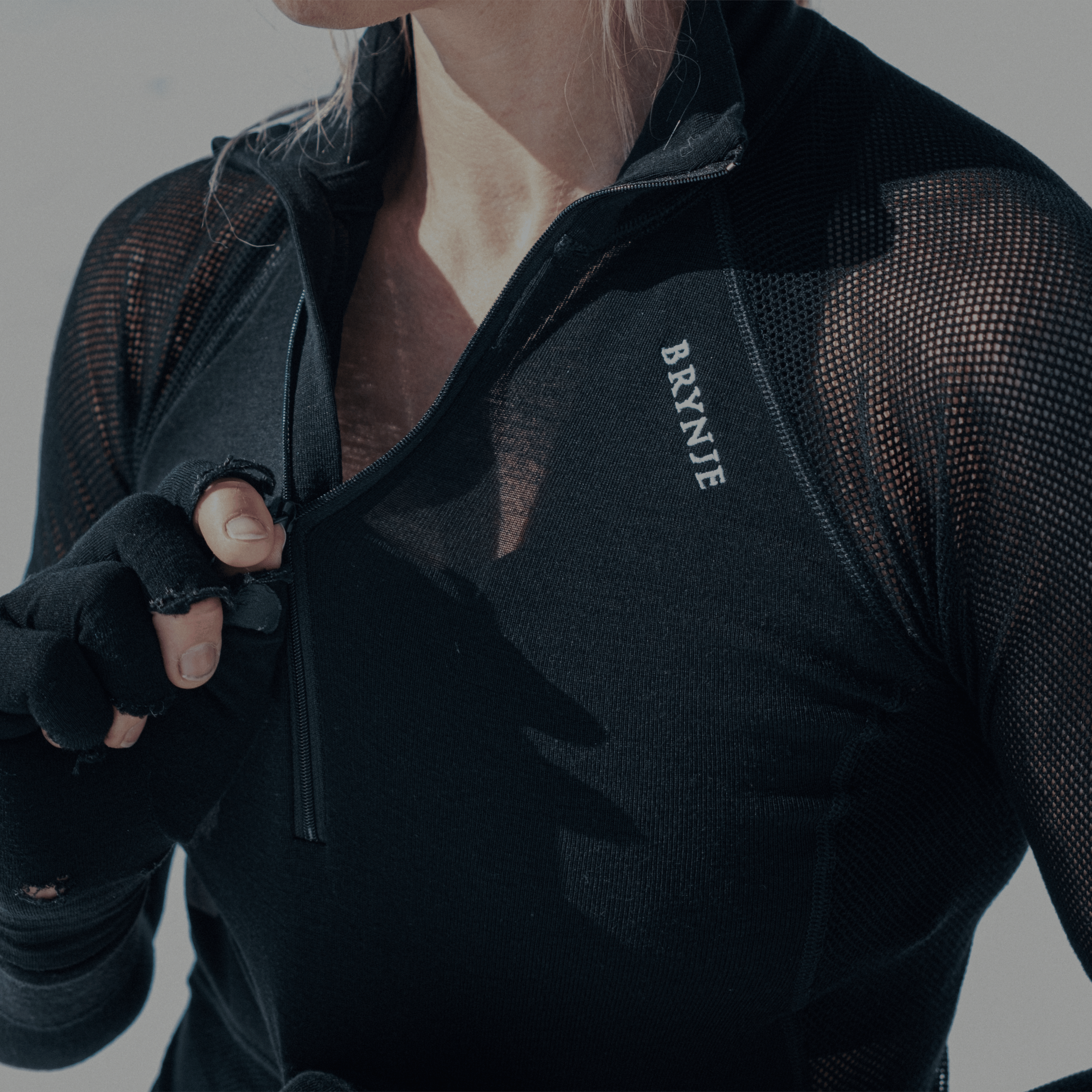
Its core objective is to deliver vital thermal insulation while actively pulling moisture out of the inner layer and transferring it outward toward your protective shell. Technical fabrics like fleece, merino wool, polypropylene, and engineered polyester are excellent solutions here. For enhanced field utility, prioritize garments built with smart ventilation adaptabilities: look for deep front zippers, tall draft-blocking collars, integrated hoods, and integrated thumb loops.
The Second Mid Layer
This layer serves as your primary thermal barrier against dropping ambient temperatures.
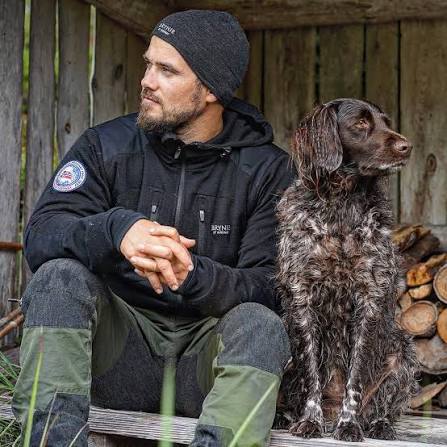
It should consist of a high-loft, lightweight insulating piece—such as a technical fleece jacket, an insulating puffy vest, a lofty puffy jacket, or a heavy-duty wool sweater. This layer provides heavy-duty warmth when stationary, can easily serve as a standalone top layer in dry climates, and is designed to be quickly packed away during intervals of high physical exertion.
The Outer Layer (Weather Shield)
Your final line of defense must securely block out cutting wind, heavy rain, and snow, while simultaneously allowing underlying vapor sweat to successfully escape.
The most common choices are hard shells constructed from GoreTex® or equivalent premium waterproof/breathable membrane fabrics. Because environment and output dictate your shield requirements, look for armor features that facilitate mechanical temperature regulation: underarm pit-zips for rapid venting, fully adjustable alpine hoods, and robust, easy-to-use central zippers.
Safety Through Proper Garment Maintenance
Please be aware that advanced technical textiles can lose their foundational moisture-wicking and insulating properties if cleaned incorrectly. Following strict maintenance advice not only safeguards your garment's lifespan and performance—in severe wilderness conditions, it keeps you safe.